The Soul in the Machine: AI’s Big Hype Meets Creative and Technical Reality
Today’s AI landscape is defined by a fascinating friction. On one hand, tech giants and game publishers are rushing to integrate artificial intelligence into every layer of our digital lives, from underlying operating systems to the background scenery of our favorite video games. On the other hand, we are witnessing a growing wave of pushback—not just from critics concerned with performance, but from some of the most prominent creative minds of our generation who question whether AI can ever truly capture the human spirit.
The technical reality check comes directly from Microsoft’s latest software push. Following the company’s grand declarations at its Build conference regarding its new MAI models, hands-on evaluations are starting to paint a far less revolutionary picture. In a brutal hands-on review by PCMag, testers put all four of Microsoft’s flagship new models through their paces, only to find them severely lacking. Rather than representing the seamless “future of technology” promised by executives, the models struggled with consistency, accuracy, and practical utility, raising serious questions about whether these tools are truly ready for the spotlight or if they are simply being rushed to market to appease shareholders.
Yet, despite these technical shortcomings, the corporate integration of generative AI continues to march forward, particularly in the gaming industry. Sega recently confirmed that its upcoming title, Crazy Taxi: World Tour, will feature generative AI. As first disclosed on the game’s Steam page, the developers used AI to assist in creating background assets for the game’s environments. While Sega was quick to clarify that these tools were strictly used to support human artists rather than replace them, the move highlights how rapidly generative assets are becoming standard in mainstream game development pipelines, often with little fanfare until store listings force the disclosure.
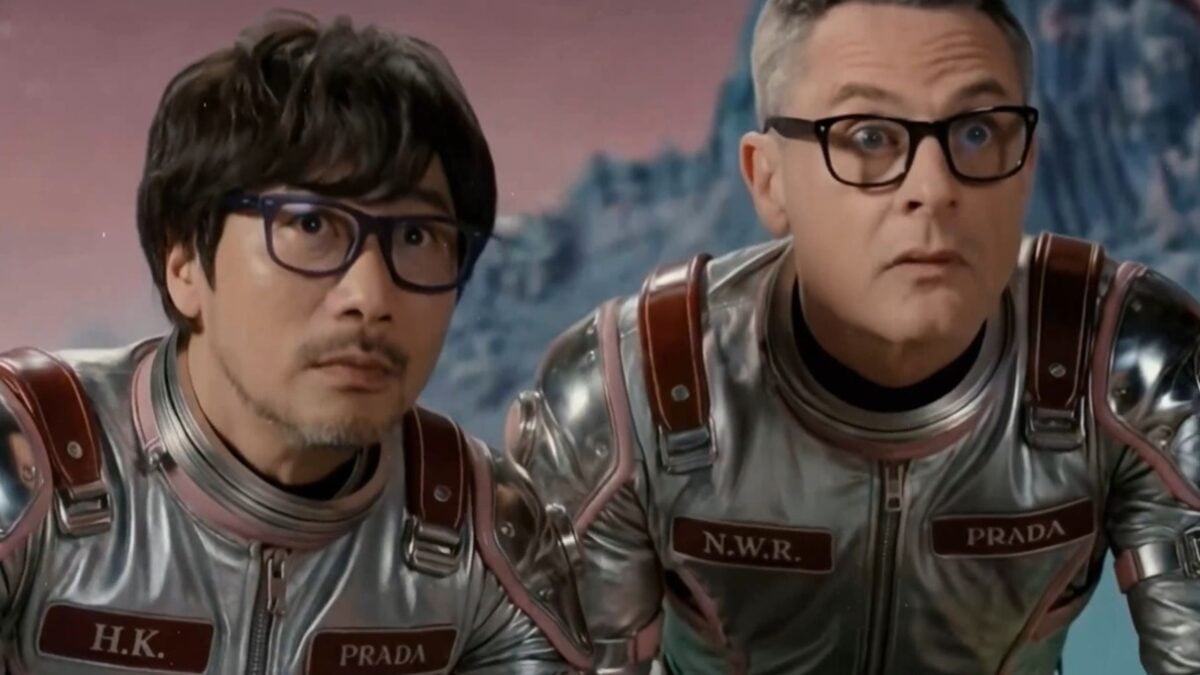
This quiet automation of creative work stands in stark contrast to the philosophy of the industry’s legendary auteurs. Renowned game director Hideo Kojima, the mastermind behind Death Stranding and Metal Gear Solid, recently sat down with Kotaku to share his deeply skeptical views on the technology. Despite recently appearing in an AI-generated promotional short for a Prada art installation, Kojima made his stance clear: he has no interest in using AI for his creative work. Kojima argued that while AI might be capable of technically generating an image or a script, it lacks the lived experience, pain, and soul required to create true art. He expressed strong doubts that he would ever see AI produce genuine art within his lifetime.
What we are seeing today is a widening chasm between the utility of AI and the philosophy of creation. While Microsoft struggles to prove that its expensive new models are actually useful for daily productivity, and publishers like Sega utilize algorithms to efficiently populate the backgrounds of virtual worlds, the core of human expression remains fiercely defended by its creators. AI is proving to be an incredibly persistent assistant, but as long as it lacks human experience, it remains a tool of replication rather than revelation.